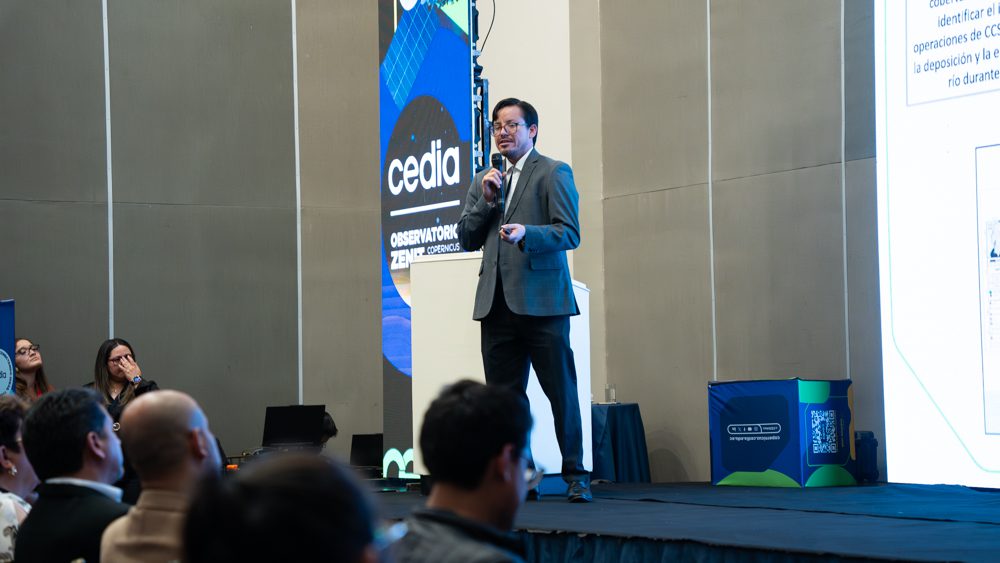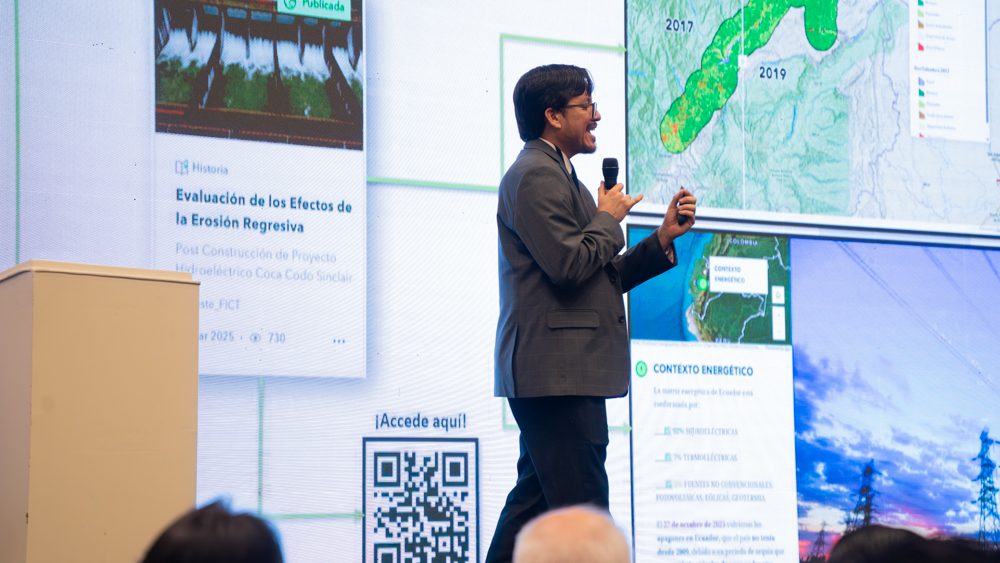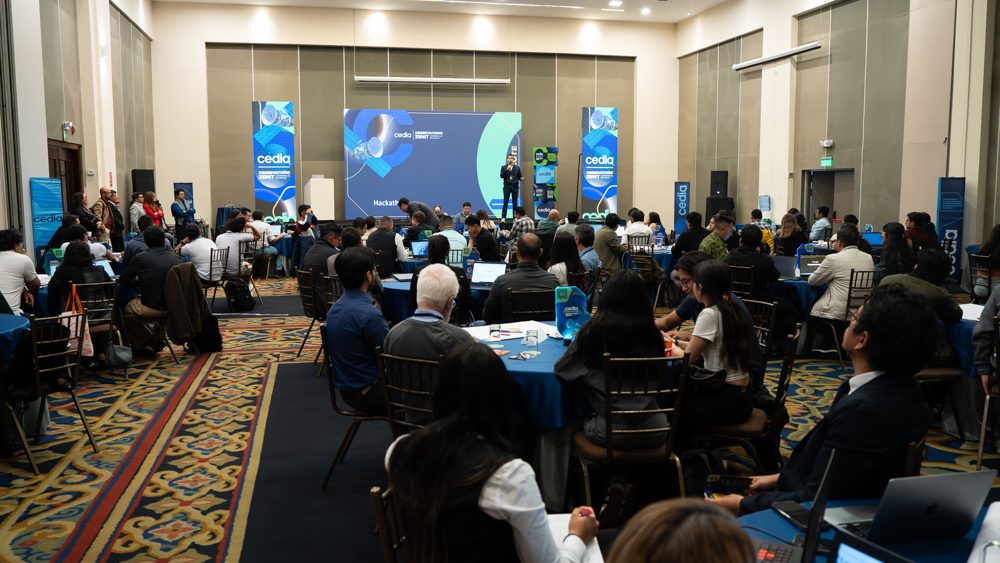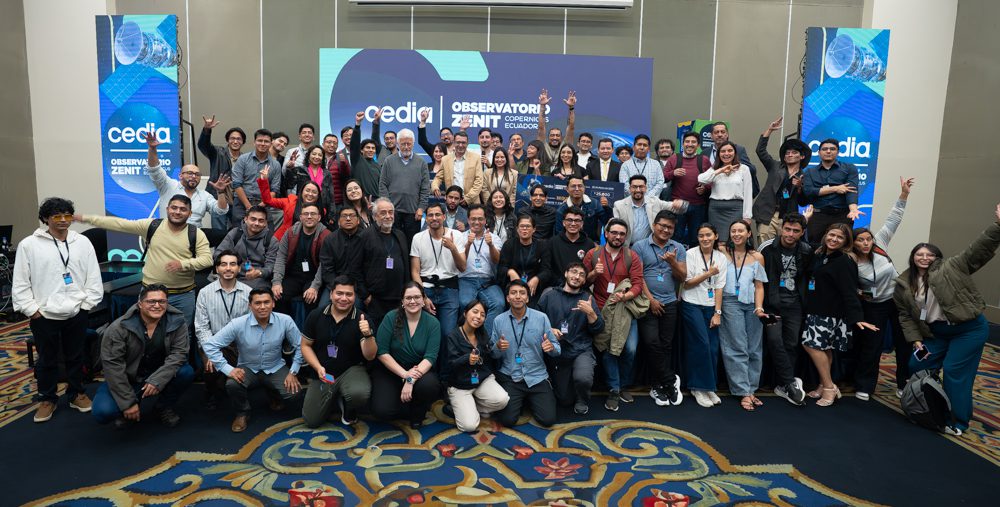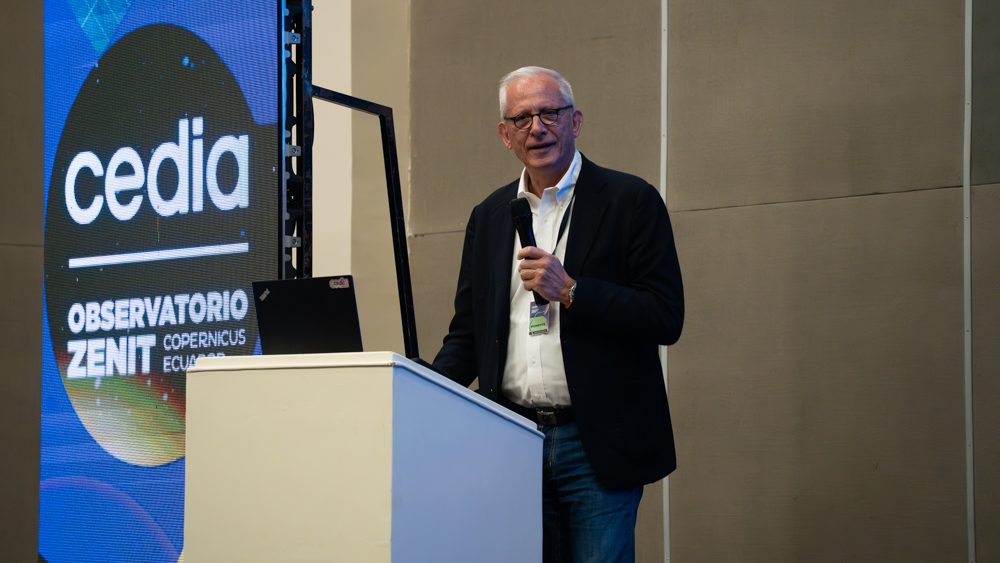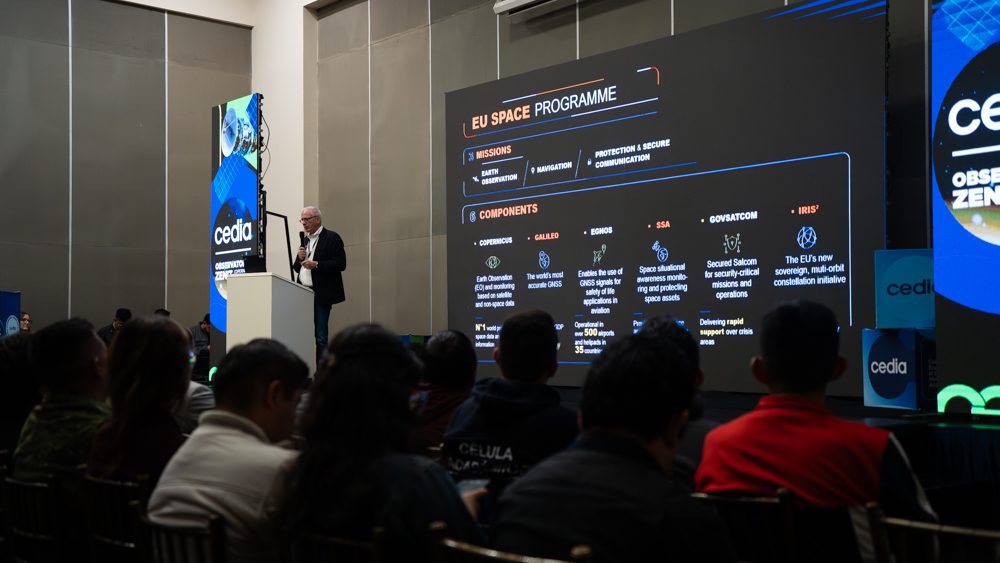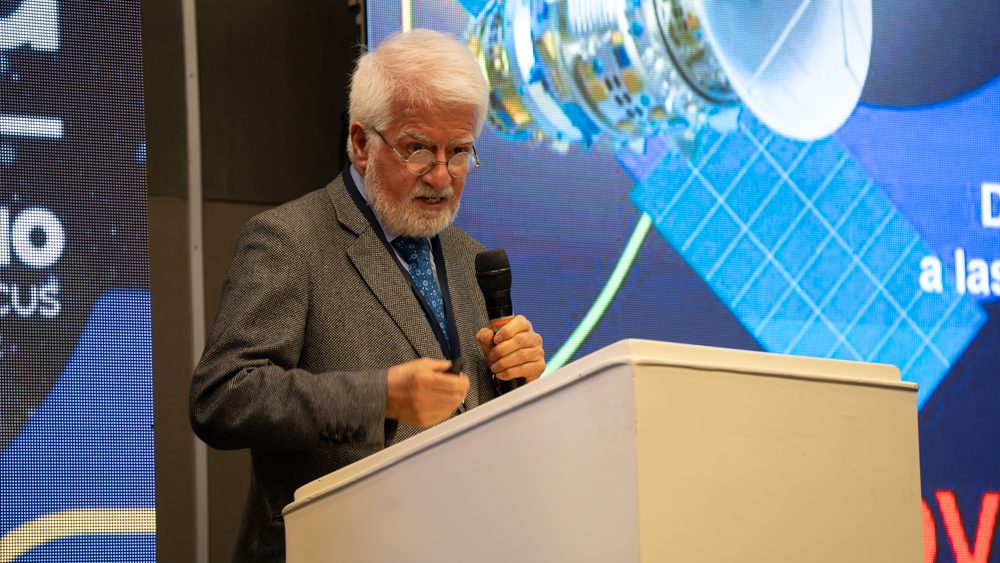
An event that brought together more than 150 researchers and authorities from the country's scientific ecosystem.
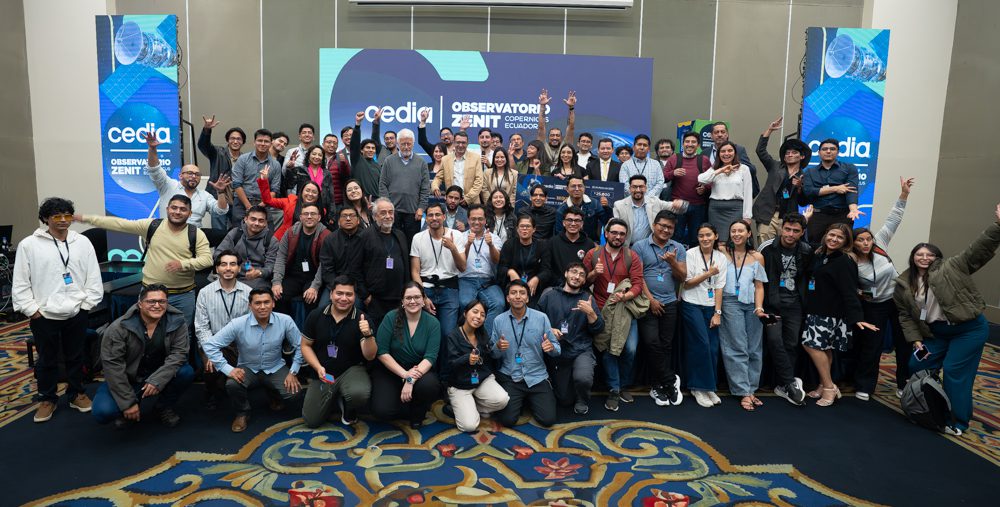
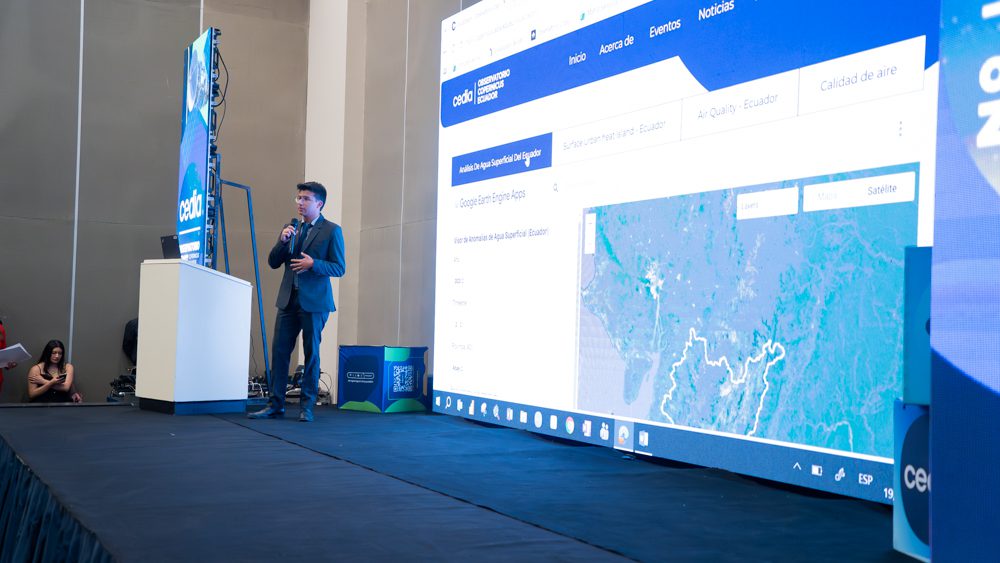
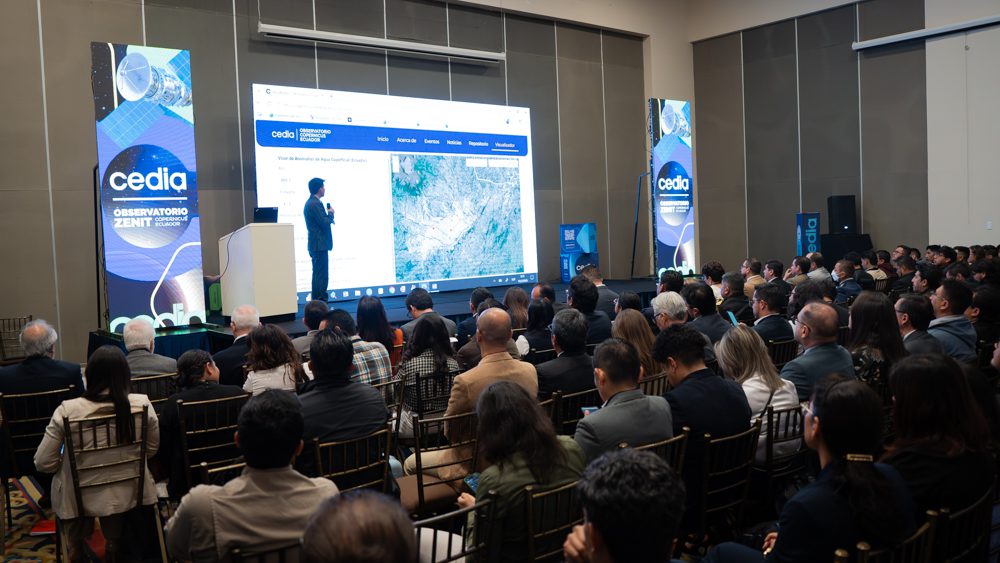
Ecuador has taken a decisive step towards the strategic use of satellite information. CEDIA officially launched the ZENIT | Copernicus Ecuador Observatory, a platform that seeks to integrate science, technology, and local resources to address the country's challenges.
The launch brought together around 150 attendees, including national and international authorities, university presidents, researchers and representatives of academic institutions, consolidating a meeting space that reflects the growing interest in integrating Earth observation into decision-making.
ZENIT marks a new stage for Copernicus' work in the country. It's not a break, but an evolution: a global initiative that now acquires its own identity in Ecuador, with the goal of translating satellite data into reliable knowledge and, from there, into concrete solutions. At CEDIA, this process is embraced as an institutional commitment: connecting capabilities, infrastructure, and talent to build a useful, accessible platform with real impact.
21 teams, 92 researchers and solutions for the territory
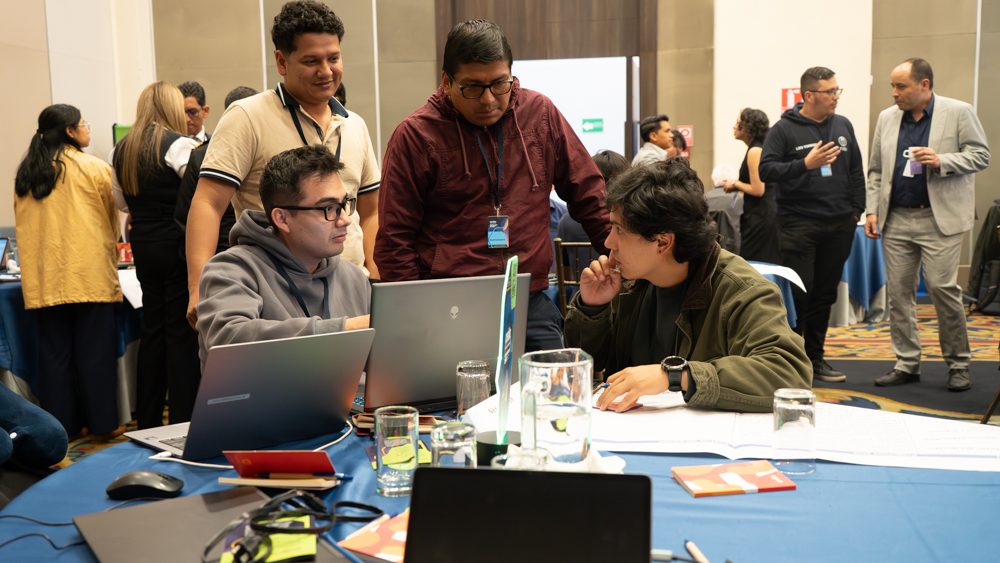
As part of this event, the ZENIT | Copernicus Ecuador Hackathon was held, an intensive competition that brought together 21 teams made up of 92 researchers from different institutions in the country.
For 24 continuous hours, the teams worked on developing solutions based on Earth observation data, addressing challenges related to climate change, risk management, biodiversity, health, logistics, and data governance.
Beyond the competition, the hackathon established itself as a space for interdisciplinary collaboration, where applied science connects directly with the needs of the territory.
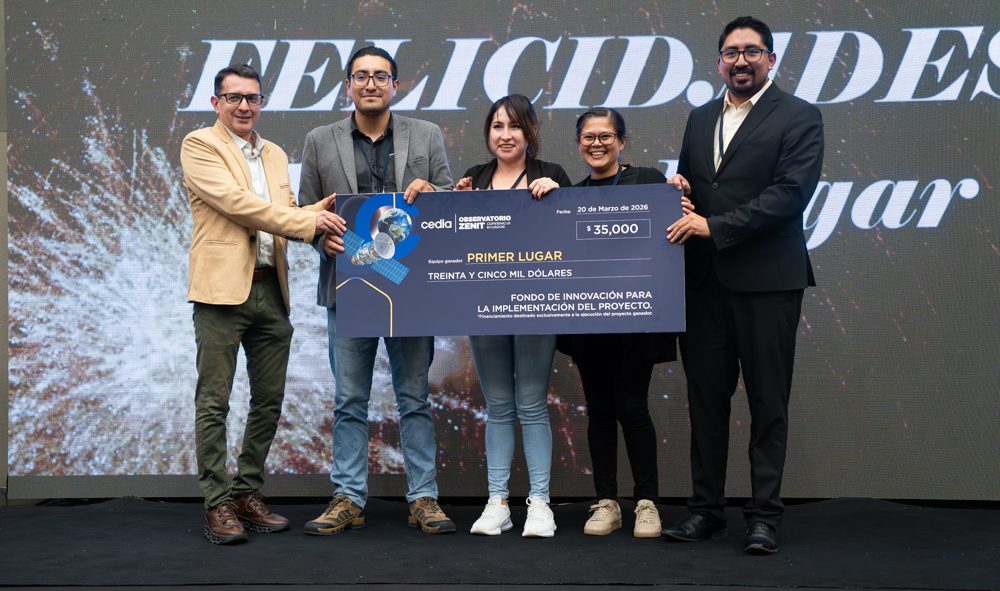
First place was awarded to the ByteForce UTC team, made up of researchers from the Manabí Higher Polytechnic Agricultural School and the Cotopaxi Technical University. Second place went to the INNOVAUNAE team, comprised of researchers from the National University of Education.
Both teams received funding of USD 35,000 and USD 25,000, respectively, earmarked exclusively for the development and execution of their projects. This funding is not a direct cash incentive for the researchers, but rather a scheme managed by CEDIA for the implementation of the proposals, in accordance with the guidelines established in the hackathon rules.
Third place went to the Rikuy team, from the San Francisco de Quito University, who will receive an honorable mention through a specialized support process aimed at strengthening and projecting their initiative.
This support does not include financial resources, but rather a technical and strategic framework that will support the maturation of the project, identify opportunities for collaboration, and activate support mechanisms from CEDIA.
To achieve this, the team will have the support of specialists in areas such as Academia, Innovation and Technology Transfer, Product and Service Management and Technological Development, in addition to structured monitoring based on the project management guidelines of CEDIA's PMO.
An observatory built with the community
One of the central elements of this initiative is its commitment to continuity. The winning projects don't remain just ideas: they move toward real implementation processes, supported by technical capabilities and institutional collaboration. In this sense, ZENIT is not a static platform, but a tool under construction, whose value will depend on its use and adoption by the academic, scientific, and decision-making communities.