So far, dives have been carried out in Colombia, Israel and Chile.

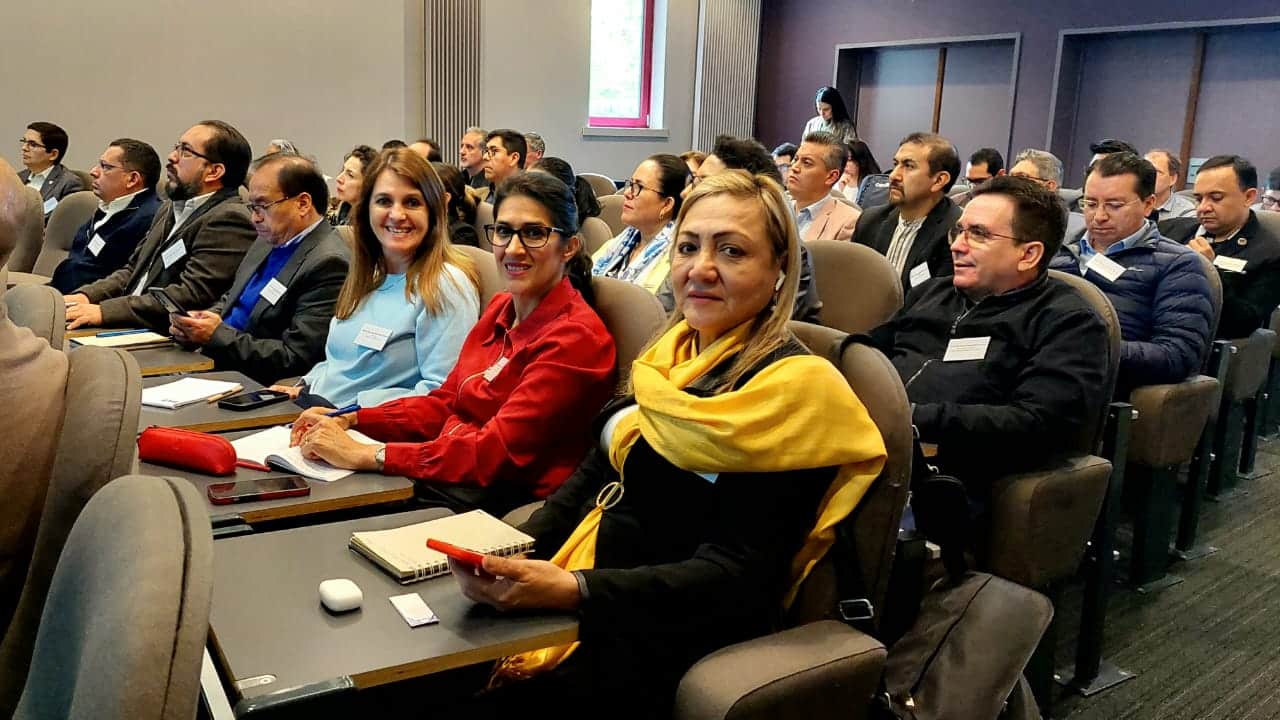
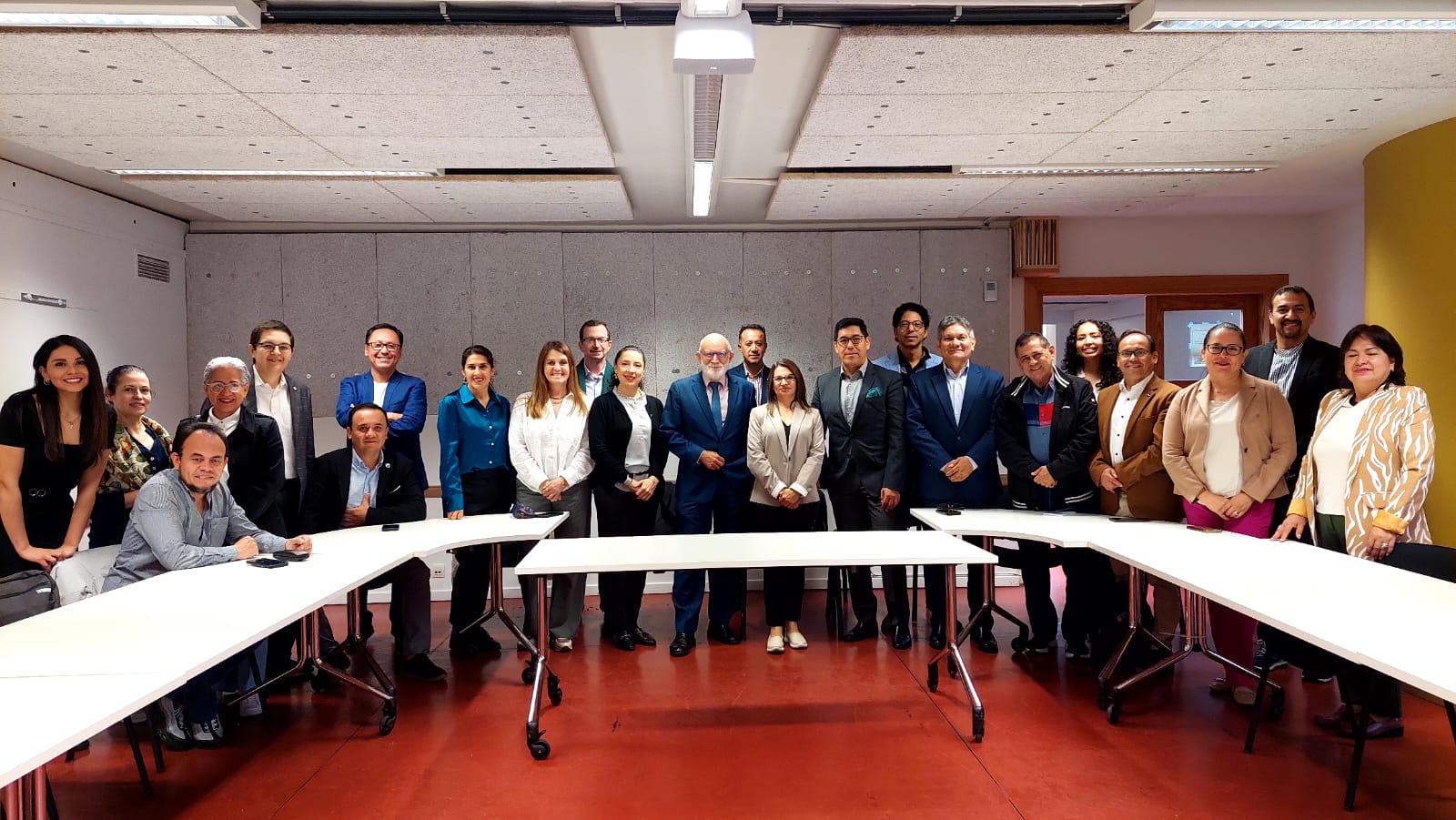
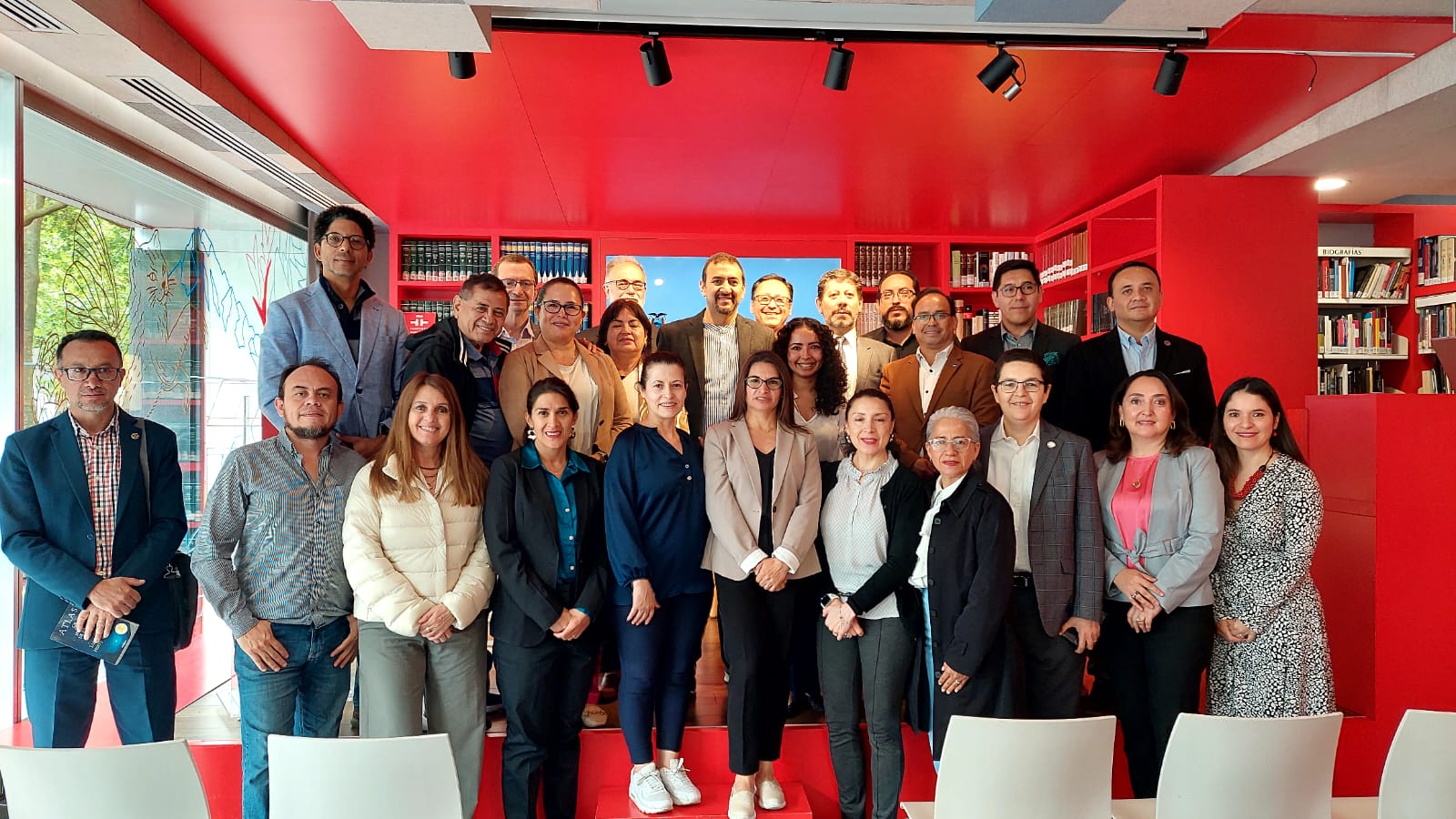
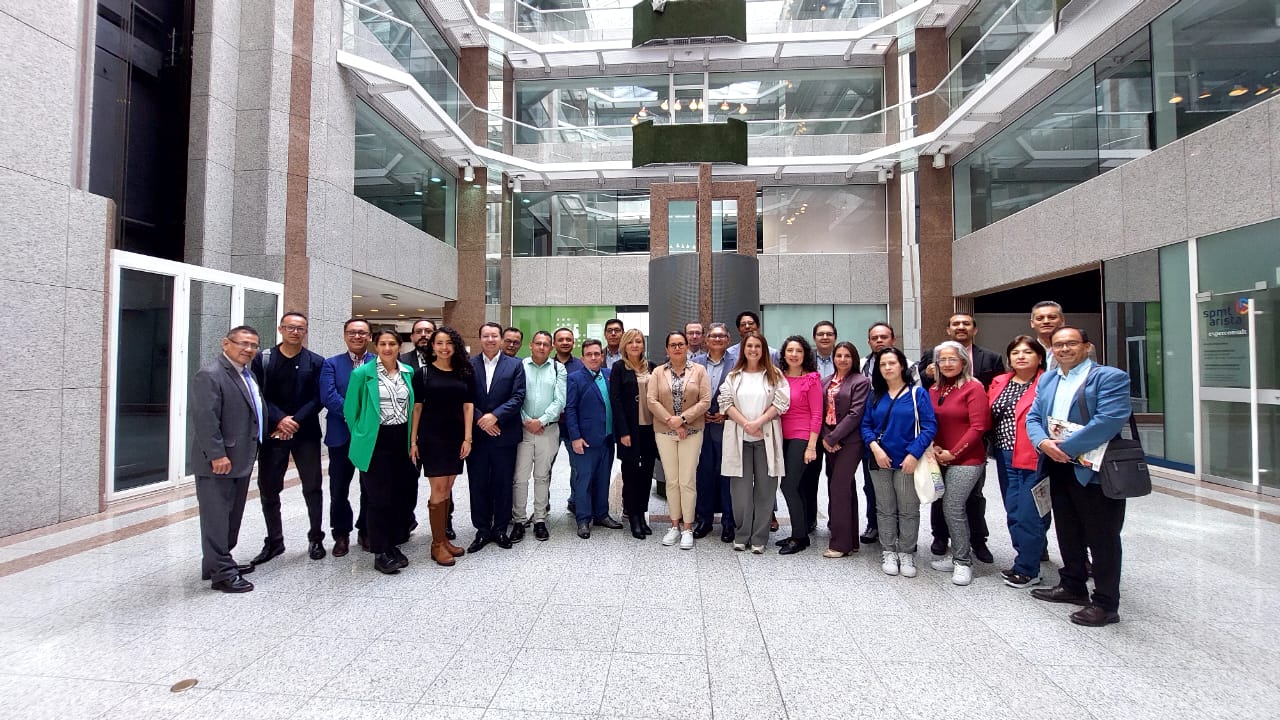
CEDIA 's Rectors' Community program brought together 29 academic authorities from 17 universities on its fourth immersion trip to Belgium, which had a 13-day itinerary designed to explore the academic and research ecosystem of the European country.
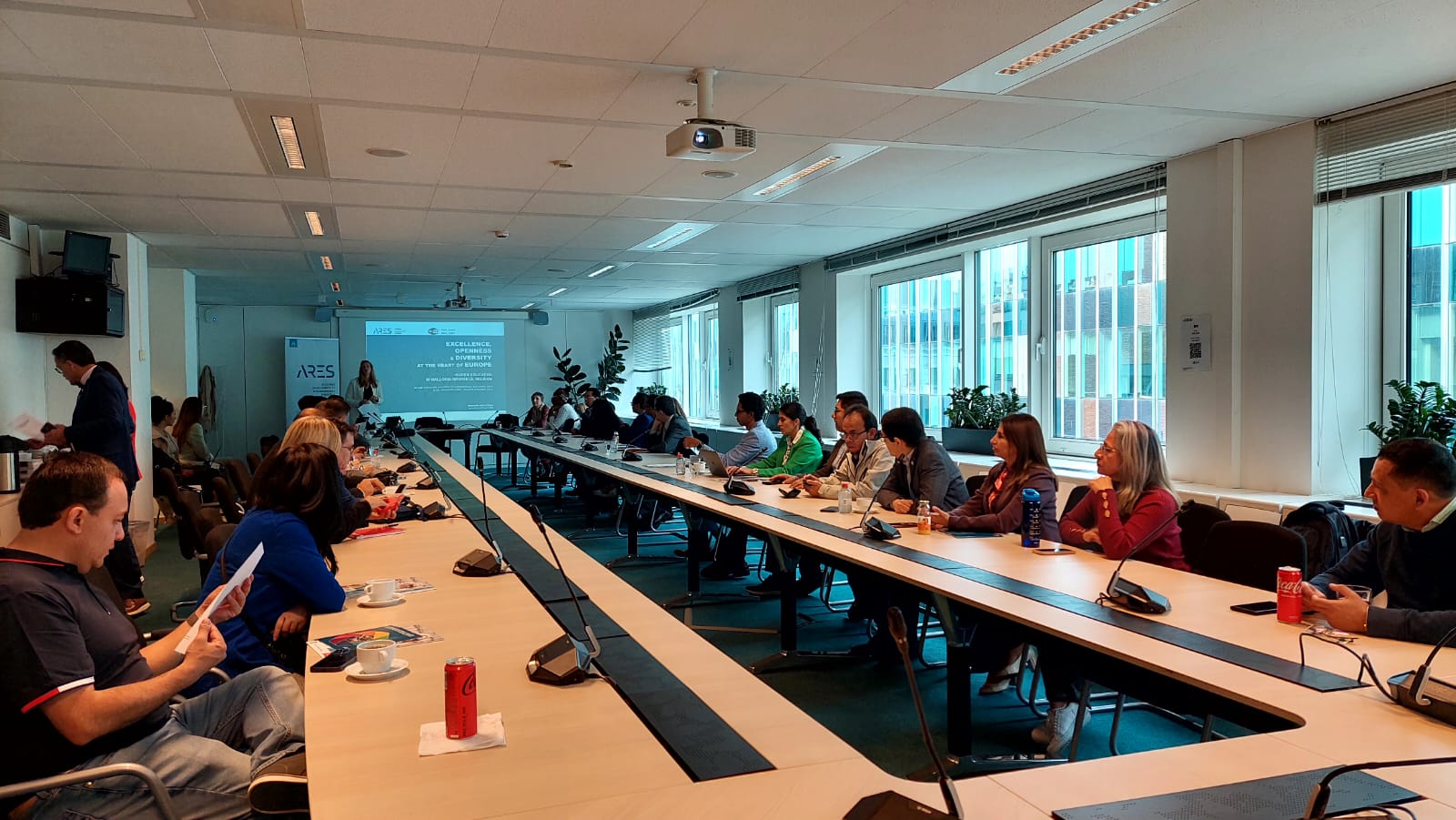
On its first day, the delegation visited the Academy of Research and Higher Education (ARES) in the Wallonia-Brussels Federation. ARES, a federation of higher education institutions, has the mission of coordinating and supporting these institutions in their teaching, research, and community service activities, fostering collaboration while respecting their autonomy.
ARES' activities are structured around several fundamental pillars: academic, research and development, institutional, information, development cooperation, and international. These pillars ensure a relevant educational offering, promote joint research, coordinate continuing education, and establish academic competency standards. During the visit, it was highlighted how ARES works in conjunction with various institutions to continuously improve its educational offerings and foster research, guaranteeing quality training that meets the needs of the labor market and the community.
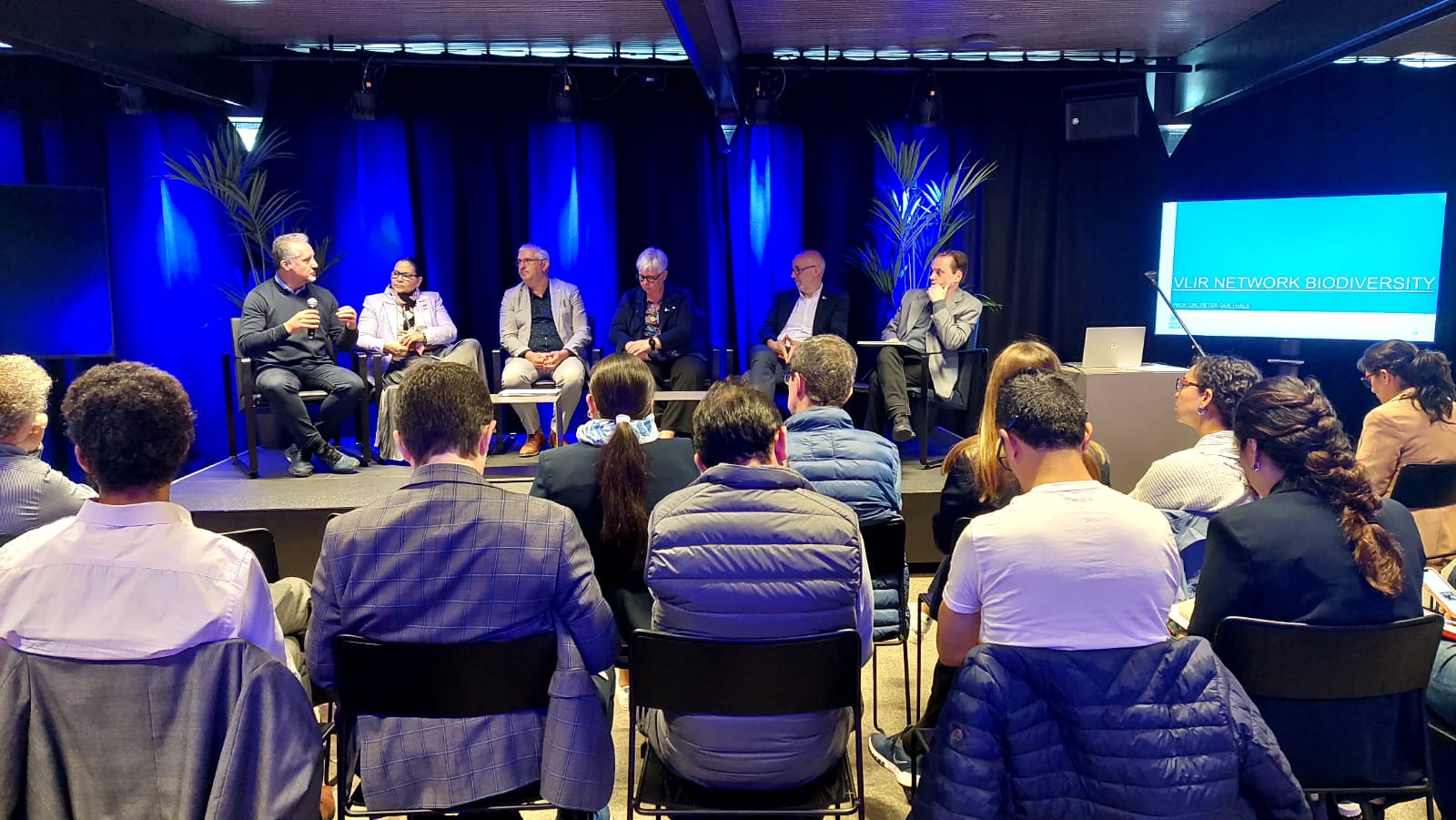
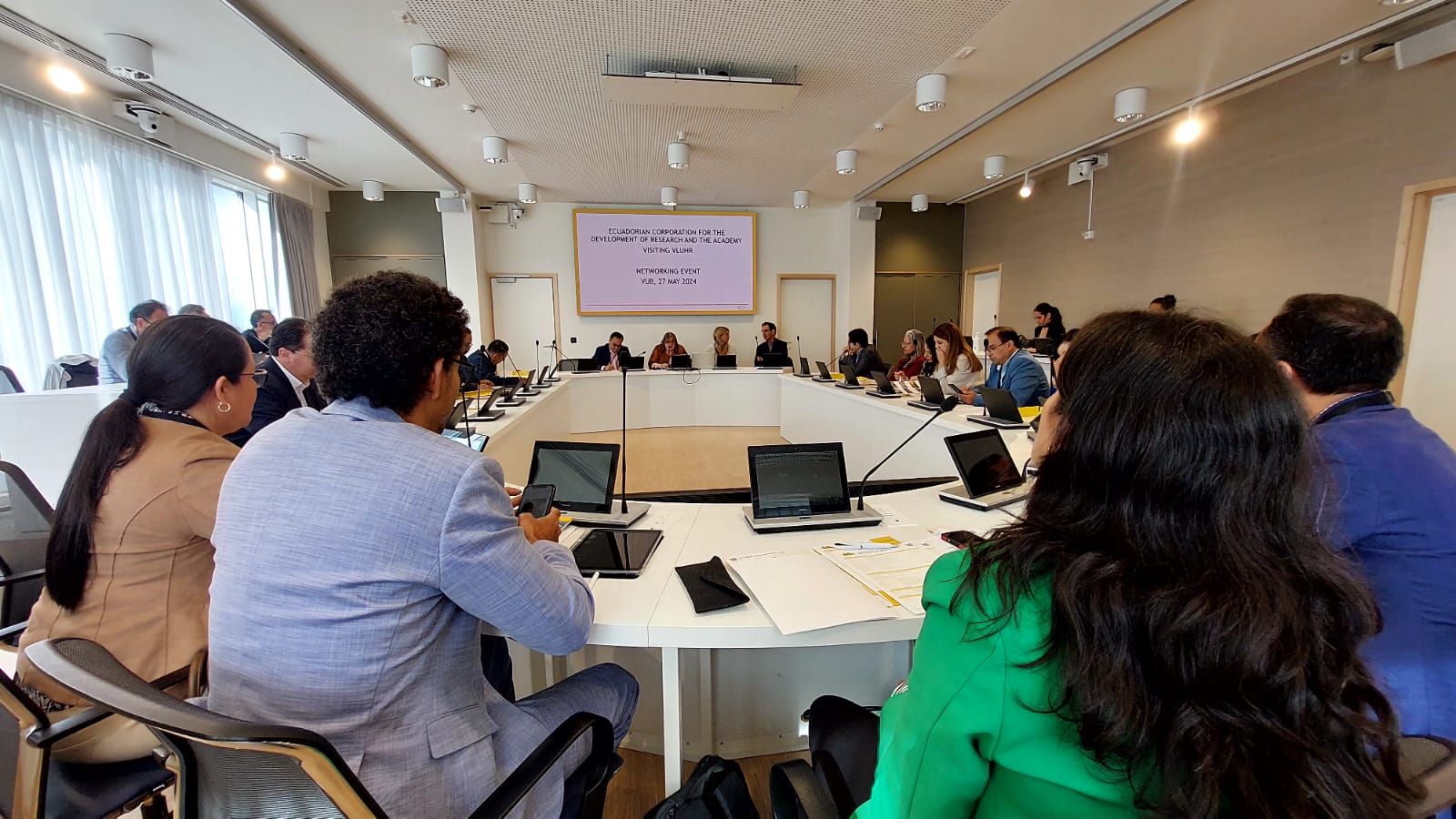
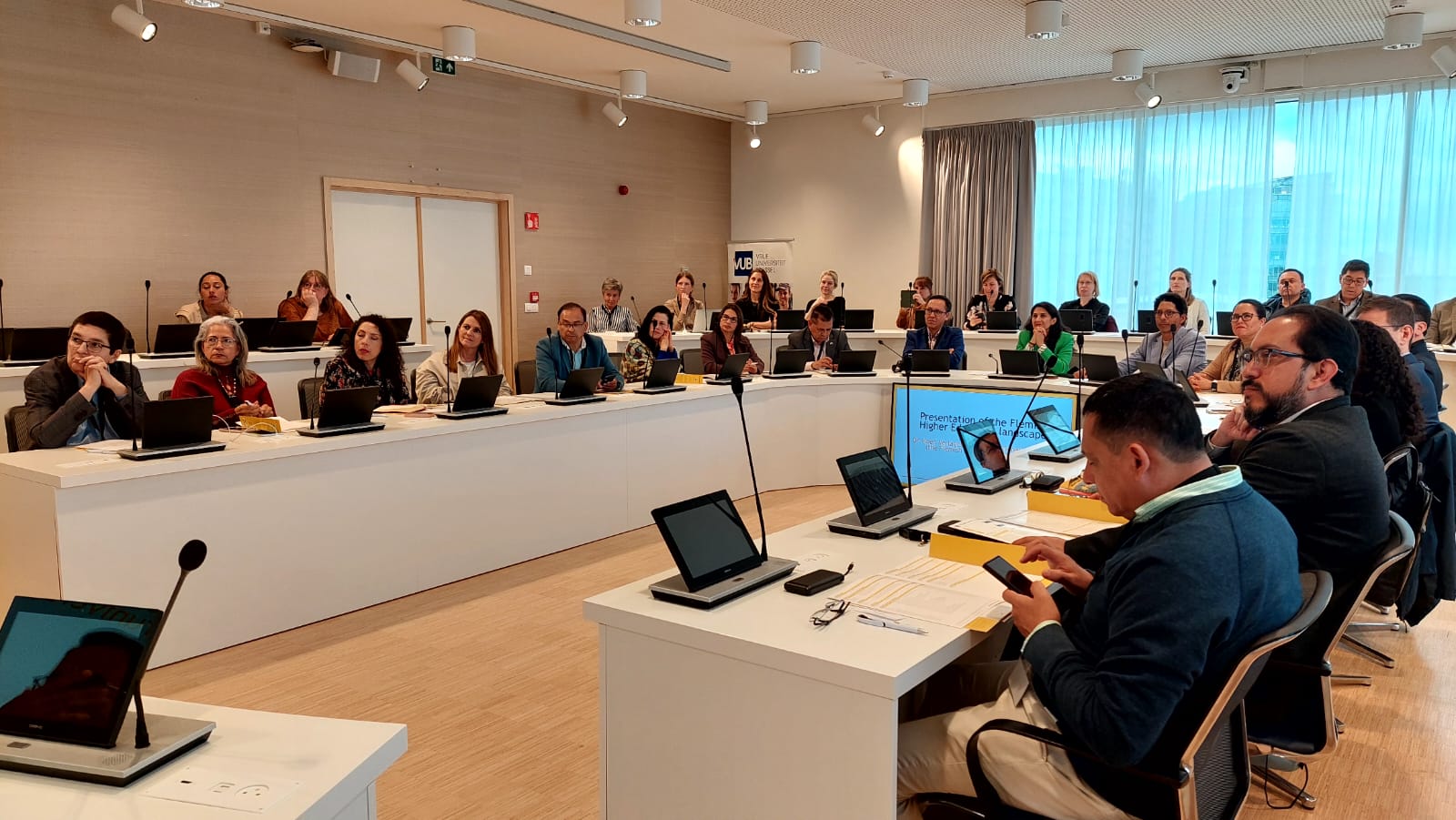
In the afternoon, the delegation traveled to the Flemish Council for Higher Education (VLUHR) at the Vrije Universiteit Brussel (VUB). They were received by the university's rector, Dr. Jan Danckaert, and Dr. Koen Verlaeckt, Secretary General of VLIR, who provided a detailed overview of the Flemish higher education system. VLUHR comprises the five universities of the Flemish Inter-University Council (VLIR) and the 13 universities of applied sciences and arts of the Flemish Council of Universities of Sciences and Applied Arts (VLHORA).
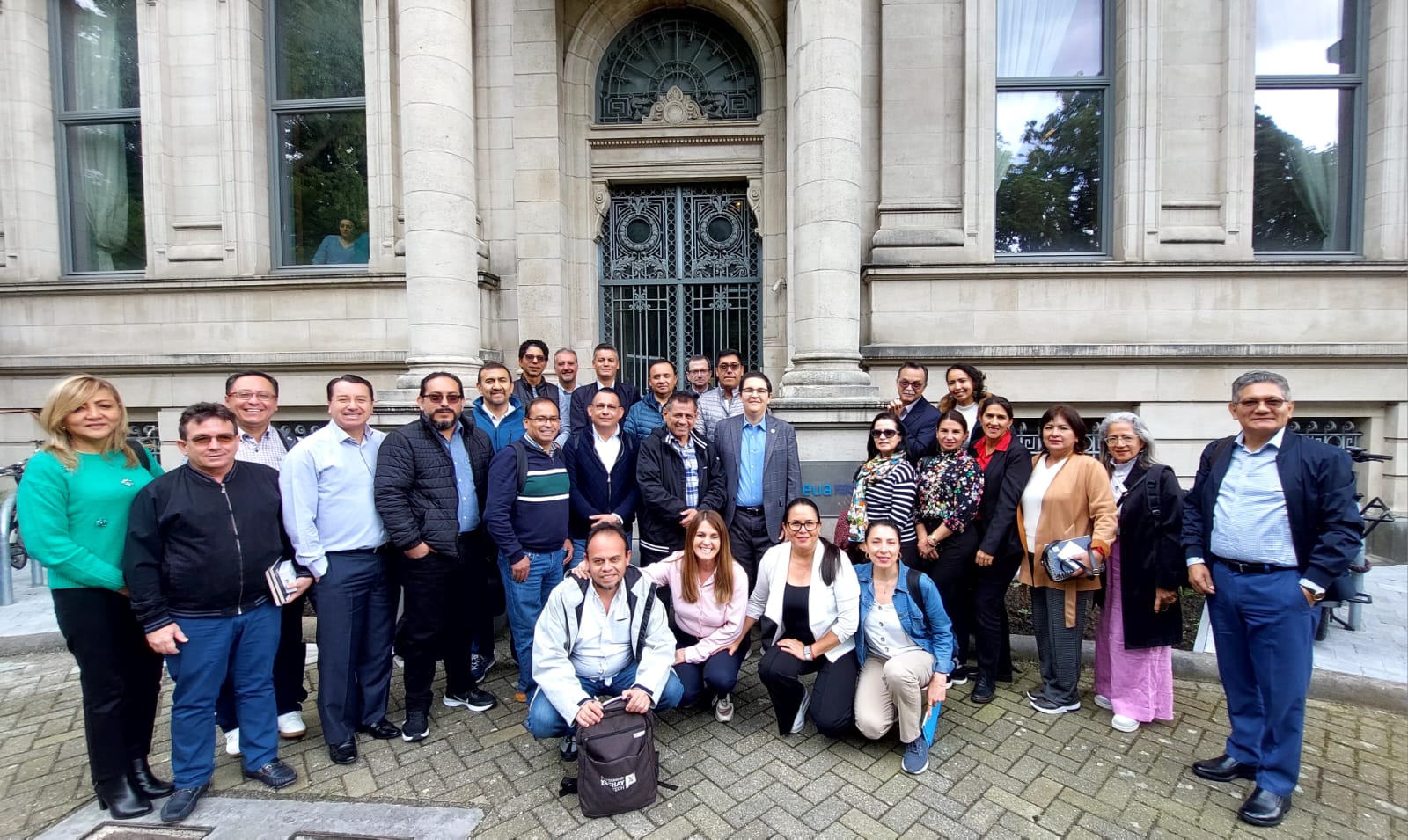
The second day of the program included a visit to the European University Association (EUA), which represents more than 870 universities and national rectors' conferences in 49 European countries. The EUA plays a vital role in the Bologna Process and in influencing European Union policies related to higher education, research, and innovation. EUA members have unique opportunities to share best practices and participate in projects, events, and mutual learning activities, thereby influencing European policies and initiatives.
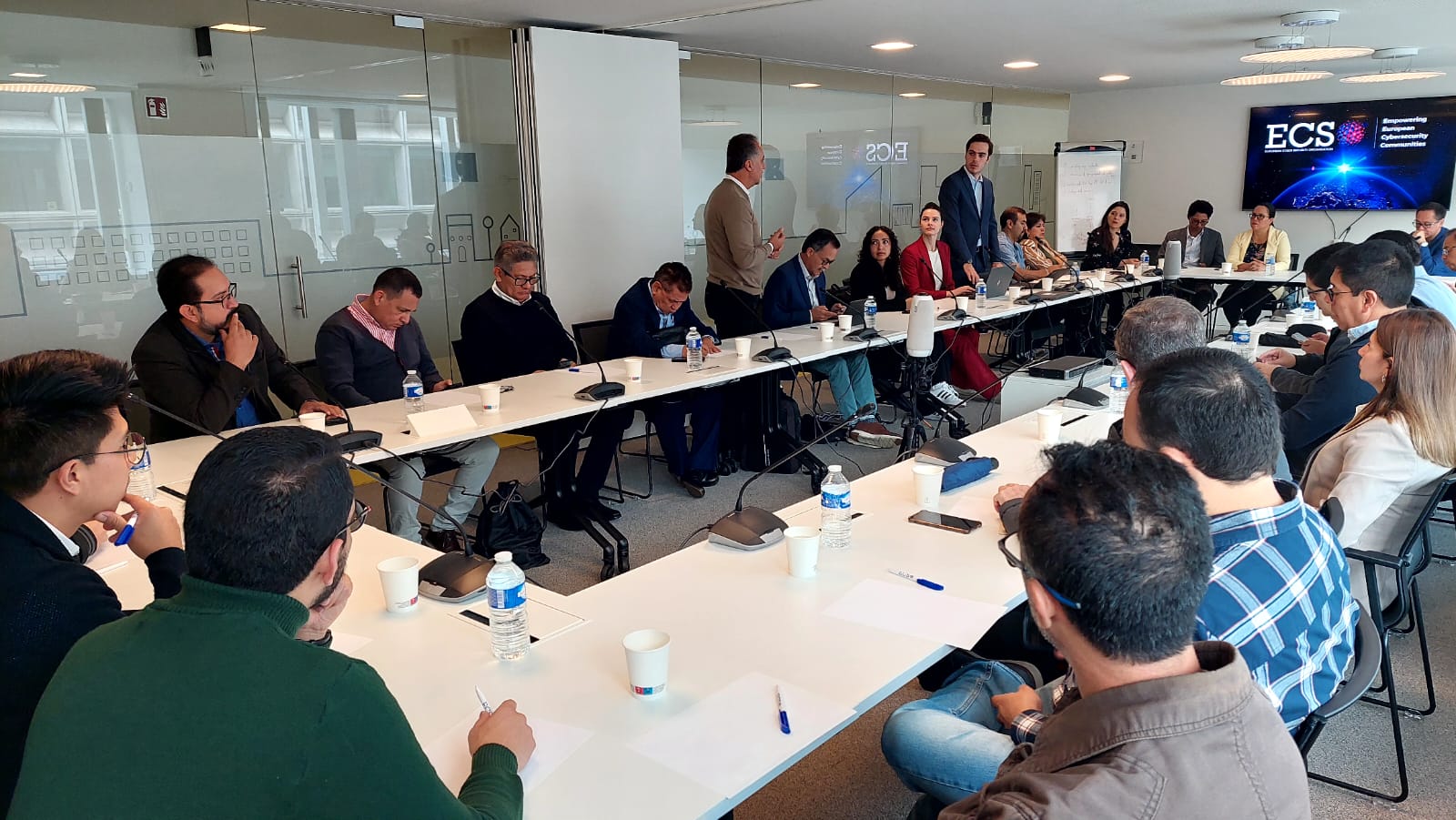
On the third day, the delegation visited the European Cybersecurity Organisation (ECSO) and the European Research Council (ERC). ECSO, established in 2016, represents diverse stakeholders in the field of cybersecurity and promotes cooperation between the public and private sectors to strengthen Europe's cyber resilience. Its members include large corporations, SMEs, startups, research centers, universities, end users, and operators of essential services.
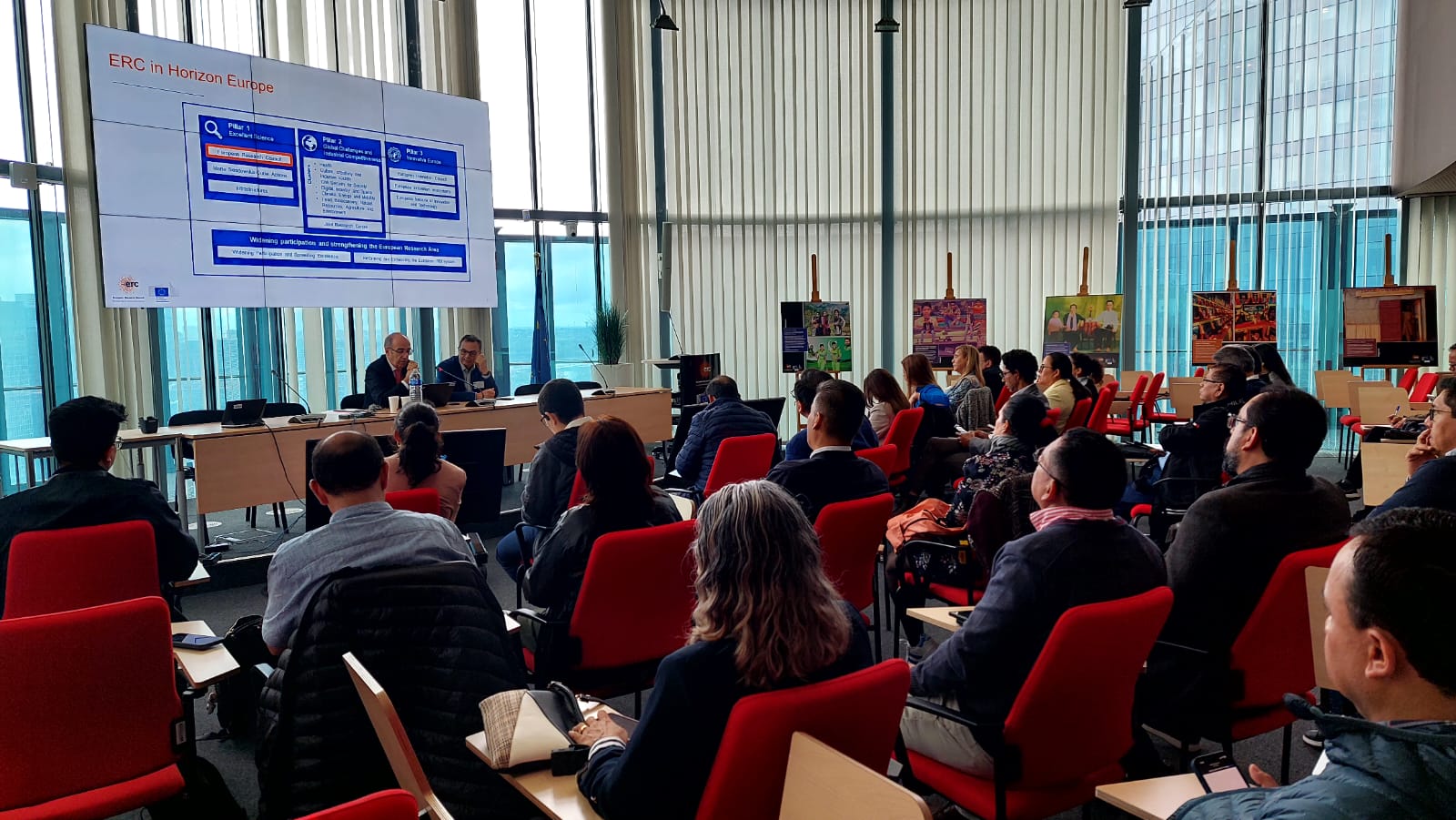
Later, he met with the ERC, Europe's leading funding organization for cutting-edge research. The ERC offers grant programs for researchers of any nationality and age, funding projects across Europe. Since its inception in 2007, it has funded more than 16,000 projects and 10,000 researchers, making a significant contribution to high-quality research in Europe.
At the start of the second week of the program, the delegation visited KU Leuven University, a 600-year-old institution dedicated to cutting-edge research and education. The university is distinguished by its comprehensive and independent approach, with 15 faculties offering a wide range of degree programs. KU Leuven follows a strategic plan that prioritizes digitalization and sustainability, working to solidify its position as a leader in scientific, educational, and social advancements.
During the visit, Manuel Desantes Real, Professor of Private International Law at the University of Alicante, presented a paper on innovation in Ecuadorian universities in the cognitive era, emphasizing the importance of intellectual property in academia. Afterward, the delegation visited the Ecuadorian Embassy in Brussels, where they discussed actions taken by Belgium to promote international cooperation.
The program continued with a visit to the European Students' Union (ESU), an organization that brings together 45 National Student Unions from 40 countries. The ESU represents all students in Europe, promoting solidarity within the student movement and operating independently and democratically. Its activities include training and information on higher education policies, organizing seminars and campaigns, and conducting research and partnership projects.
To conclude the Rectors' Community program, the delegation visited Ghent University, a leading institution renowned for its commitment to research and innovation. During the visit, university officials presented its vibrant academic community and its remarkable focus on internationalization. With over 200 academic programs, Ghent University is ranked among the top 100 universities in the world, and its mission is to foster a pluralistic and challenging learning environment.
The day at Ghent University concluded with visits to various laboratories, allowing the delegation to observe firsthand the research environment and technological innovations developed at the institution. The visit underscored the university's commitment to science and global progress, strengthening international collaboration and knowledge exchange between Ecuador and Belgium.
The Rectors' Community is a program that offers top university leaders immersion experiences that serve as a tool for understanding academic and innovation ecosystems, replicating strategies, and building international networks with the world's leading universities. Previous immersion programs have been held in Colombia, Israel, and Chile.